

TL;DR
Focusing solely on traditional utilization metrics often creates a paradox where teams are busy but ineffective, leading to skill gaps and high turnover. The future of resource management requires shifting to a skills-first approach, which prioritizes matching the right talent and experience to specific projects rather than simply filling available hours. This strategic change, supported by intelligent technology like Skills AI, transforms resource management from a tactical function into a strategic asset, significantly boosting employee engagement, reducing bench time, and accelerating profitable project outcomes by focusing on skills in motion.

Don’t Just Get Busy, Get Smart: Why a Skills-First Approach is the Future of Utilization
For decades, utilization has been the north star of resource management. As a former Head of Resourcing at KPMG, I know firsthand that it’s the metric most leaders look to when measuring productivity and profitability. But the way we’ve measured utilization hasn’t kept up with the realities of today’s workforce.
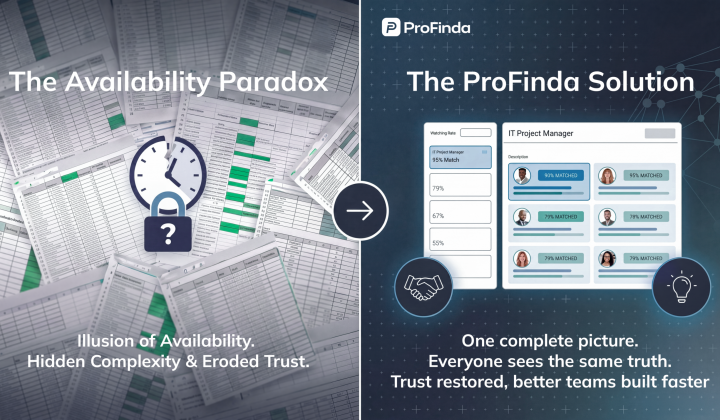
This can create a “utilization paradox”, a scenario where teams are running at a very high utilization, but the firm is still struggling with skill shortages, high turnover, and even mediocre client outcomes. The traditional model rewards people for simply being busy and filling out timesheets, often overlooking the quality of work, the individual’s career aspirations, and whether they’re even the right person for the job.
From Hours to Skills in Motion: The Solution
The solution to this paradox is a shift to a skills-first strategy. Instead of asking, “Who’s available to fill this slot?”, this approach prompts you to ask, “Who has the right skills and experience to create the best outcome?” Implementing capacity planning strategies alongside this approach ensures better alignment between talent supply and project demand. This change in mindset moves beyond simply counting hours in seats and focuses on what we like to call skills in motion.
When you shift to a skills-first approach, the benefits are significant and felt across the entire organization. We’ve seen this firsthand with a client who, within 12 months of adopting this strategy, saw remarkable results:
- Bench time was reduced by 8%, as they gained full visibility of their workforce and could mobilize people internally.
- Employee engagement was up by 12 points, as individuals felt their talents were recognized and matched to roles that aligned with their skills and ambitions.
- The firm also began to realize revenue much sooner by matching the best people to projects, which led to a boost in profitability.
Ready to discover how a skills-first strategy can impact your firm
It’s The Technology That Makes It Real
While the concept of a skills-first approach is logical, our live polls revealed a clear barrier to adoption: a lack of technology and tools. It’s impossible to shift from a reactive to a proactive model without an intelligent infrastructure that understands the complex relationships between people, work, and capabilities.
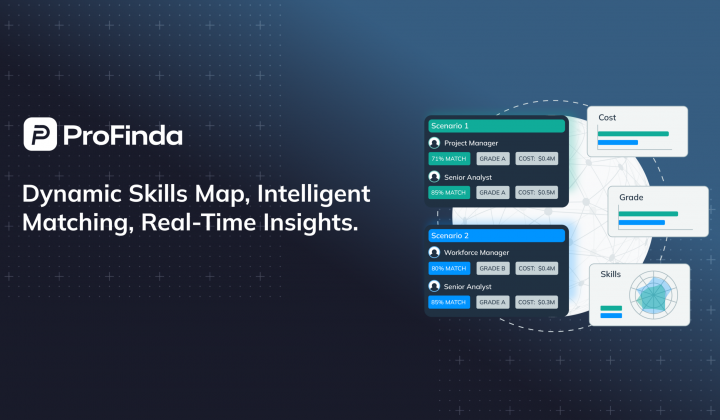
This is where technology comes in. ProFinda’s Skills AI acts as a smart, evolving map that connects not just skills, but also experience, industries, and HR data. It allows organizations to move beyond a simple “yes or no” and understand the deep interconnections between over 90,000 curated skills. The platform’s natural language search makes it easy to find the right talent, and with automations that update skills profiles as work is completed, the data remains fresh and accurate without the pain of manual entry.
By focusing on a skills-first approach, you can transform your resource management from a tactical function into a strategic one, it’s the difference between a project that delivers on ROI and one that drains it.
If you’re looking to explore these themes in more detail, I recently took part in a fantastic webinar with Ryan Childers from the Resource Management Institute, where we explored the future of utilization and the impact on the future of work. Myself and the ProFinda team will be looking forward to exploring these topics and many more as we take to the stage at RMGS Ignite in Indianapolis in April. So if you are attending the event, be sure to reach out and book some time with our team if you’re interested to learn more.