
TL;DR
Resource management has long been stuck in a reactive cycle of firefighting and scheduling. AI is changing that, not by replacing resource managers, but by elevating them into strategic workforce architects. The shift requires the right data foundations, a clear business problem to solve, and genuine commitment to adoption. Organizations that get this right are already seeing measurable ROI within months. Here is what that transformation actually looks like in practice.

As a Resource Manager for almost 20 years, I’ve seen and experienced how the lines between professional dedication and personal well-being can easily blur. Resource management (RM) has often been seen as a logistical function where assigning tasks, tracking hours, and ensuring project delivery is at its core but in my experience, its impact extends far beyond spreadsheets and Gantt charts. Increasingly, effective Resource Managers are emerging as a critical role in aiding the prevention of employee burnout and boosting engagement.
The statistics on burnout suggest a stark picture. According to the DHR Global Workforce trends Report 2026, 83% of workers feel at least some degree of burnout. So what are the consequences? Decreased productivity, higher attrition rates, and a toxic work culture. A 2026 Gallup study estimates that burnout and disengagement isn’t just an HR problem. It is costing the global economy $10 trillion in lost productivity. Highly engaged employees conversely are proven to be more productive and also exhibit greater loyalty and job satisfaction.
Considering the demands of project delivery, how could a Resource Manager redefine their responsibilities to effectively prioritize, manage and become a guardian for employee well-being instead of focusing solely on scheduling tasks?
Here’s my thought on how forward-thinking RM strategies may transform the employee experience:
1. Proactive Burnout Detection: Looking Beyond Typical Utilization Rates
Traditionally, resource management is heavily focused on maximizing utilization rates and ensuring every employee is working at or near their company utilization target. While efficient on paper, many of these targets lack consideration for employee well being. When teams consistently operate at their limit, they sacrifice the critical space for learning, simple rest, and adapting to unforeseen challenges, which is a key factor in the spike in employee burnout.
Can shifting from maximum to optimal resource utilization deliver a win-win, improving employee well-being while also generating commercial advantages for the business?
-
Build buffers into schedules: Proactively schedule resources with a buffer for unforeseen tasks, professional development, and personal time. Remembering and advocating that this isn’t “idle time”, it’s investment in resilience and growth for the workforce.
-
Track workloads not just chargeable hours: Moving beyond raw hours and measure workload to include intensity and complexity. The well-being cost of eight hours of critical client escalation management, for example, is typically greater than eight hours of standard development work.
-
Regular Check-ins: Resource Managers should facilitate regular, informal check-ins about workload and well-being. This early warning system may identify individuals nearing burnout before it becomes critical and will enable preemptive actions to take place.
2. Empower the Workforce
One of the most significant drivers of engagement is autonomy. When employees are constantly assigned tasks with little input, it can lead to feelings of disempowerment and monotony.
Explore “marketplace” models or skills-based routing.
-
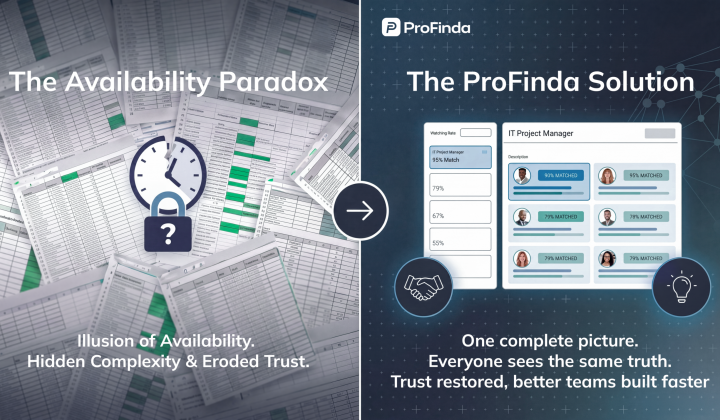
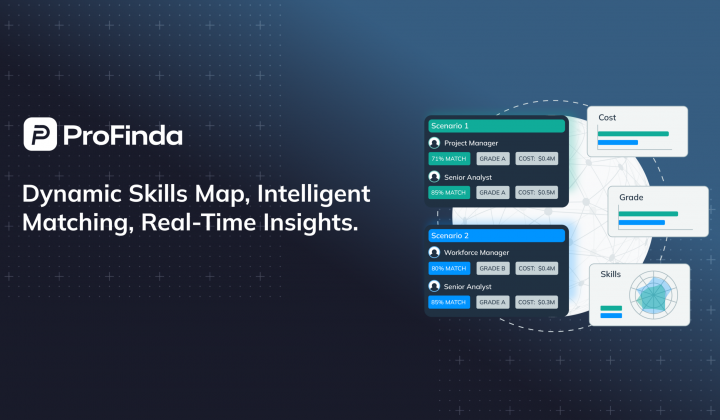
Skill-Matching Platforms: Modern RM platforms can match available projects with employee skills and, crucially, give visibility to interests and development goals of the workforce. Allowing employees to “bid” or express interest in projects that align with their career aspirations.
-
Balancing Portfolios: Work with employees to craft a balanced project portfolio that includes challenging, growth-oriented tasks alongside more routine work ensuring variety and continuous learning.
-
Work with your workforce members: When employees can have a say in their schedule, they feel heard, valued and are far more likely to be engaged and committed to the project’s success. A study by the Corporate Executive Board found that employees with high levels of control over their work are twice as likely to be engaged.
3. Be Transparent
Lack of transparency regarding project pipelines, upcoming demand, and resource constraints can create significant stress. Employees feel overwhelmed by unexpected rushes, and managers struggle to justify resource needs without clear data.
Fostering transparent communication, underpinned by reliable Resource Management data, is a powerful strategy for mitigating workplace stress.
-
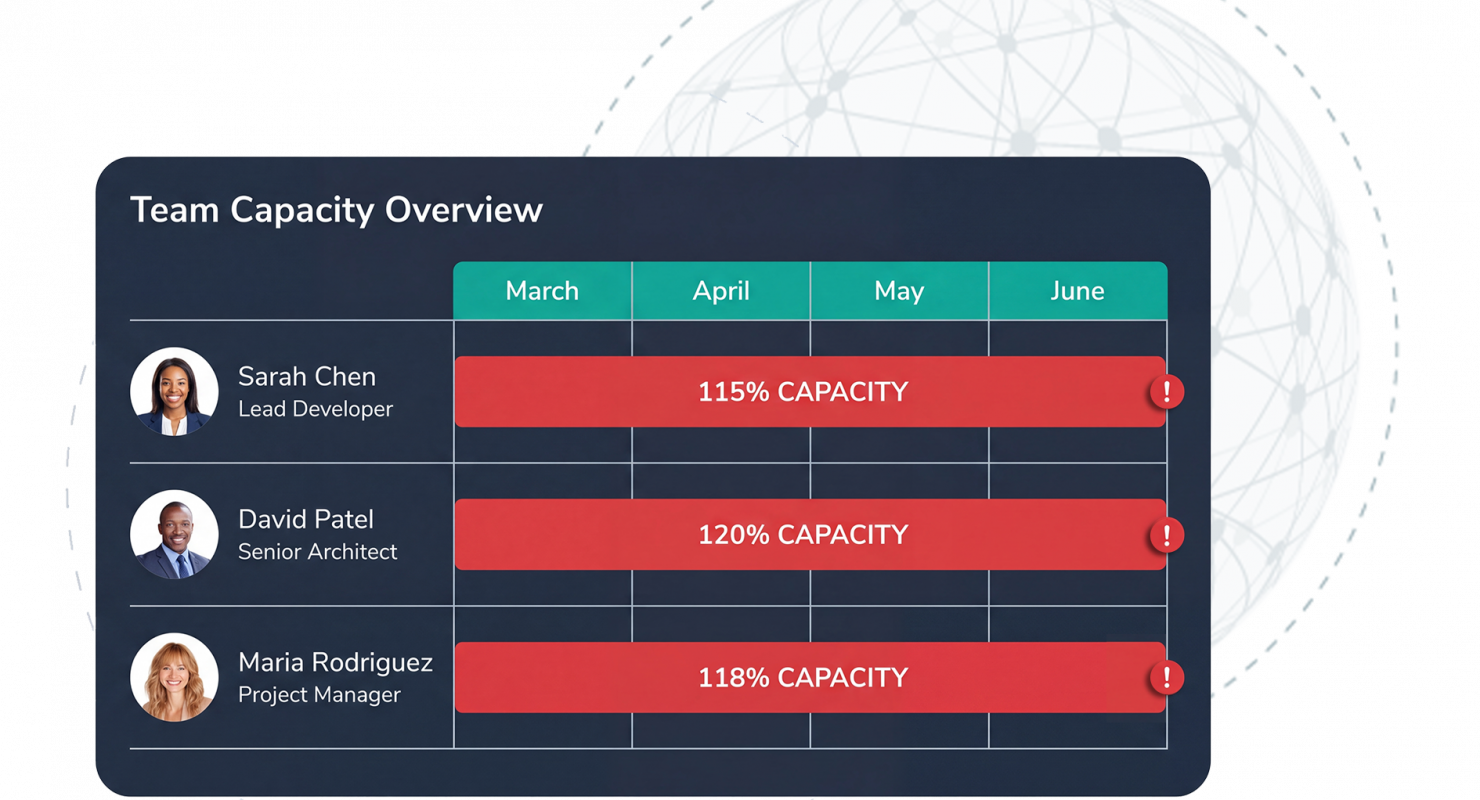
Share Workload Data: Utilize RM dashboards that clearly show individual and team capacity versus demand. This allows everyone to understand the big picture and identify potential bottlenecks before they occur.
-
Proactively Discuss Planning: Engage teams in discussions about future project loads. When employees understand why certain decisions are made or why a busy period is on the horizon, they are better prepared and less likely to feel ambushed.
-
Set Clear Expectations: Transparent data helps manage expectations internally and with stakeholders, preventing unrealistic deadlines that lead to pressure and burnout.
4. Investment in Growth
While overwork is a clear driver of burnout, we must also recognize that a lack of new challenges and stagnation poses a parallel threat to employee well-being. Employees who don’t see opportunities to learn and grow are more likely to become disengaged.
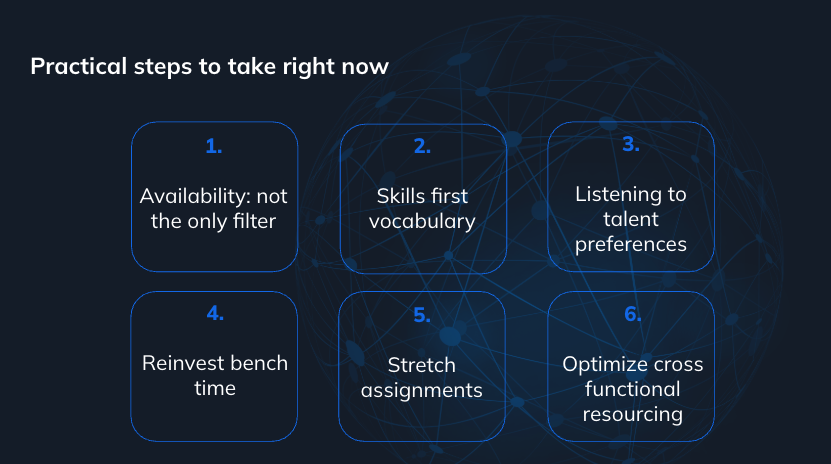
We can foster growth in this space by making skill development a core component of how we plan and allocate resources.
Designate Learning Time: Actively schedule blocks of time for training, certifications, or internal knowledge legitimizing that learning is part of the job, not something to be squeezed in after hours.
Strategic Stretch Scheduling: Strategically assign individuals to projects that will stretch their current skills or expose them to new technologies and methodologies. This provides growth opportunities while meeting project needs.
Skill Gap Analysis: Leverage RM data to identify future skill gaps within the organization and proactively train existing staff, fostering loyalty and internal mobility.
The evolution of resource management is clear: it’s no longer just about allocation, but about becoming more human centric and the empowerment, well-being, and strategic development of talent. By adopting this approach, organizations can leverage their RM functions not only to deliver projects efficiently but also to cultivate a thriving, engaged workforce that is resilient to burnout and motivated to achieve greatness.